My Thoughts on Why Bike and Train Travel Work so Well Together

Below are some of my thoughts on why bike and train travel work so well together. Cycling and train travel go together like peanut butter and jelly, or better yet, like a well-oiled bike chain and a smooth railway track. I’ve done this for many years, and I personally love it! Let me walk you through why this combo works so well, how to make the most of it, and some tips to keep your adventures rolling smoothly.
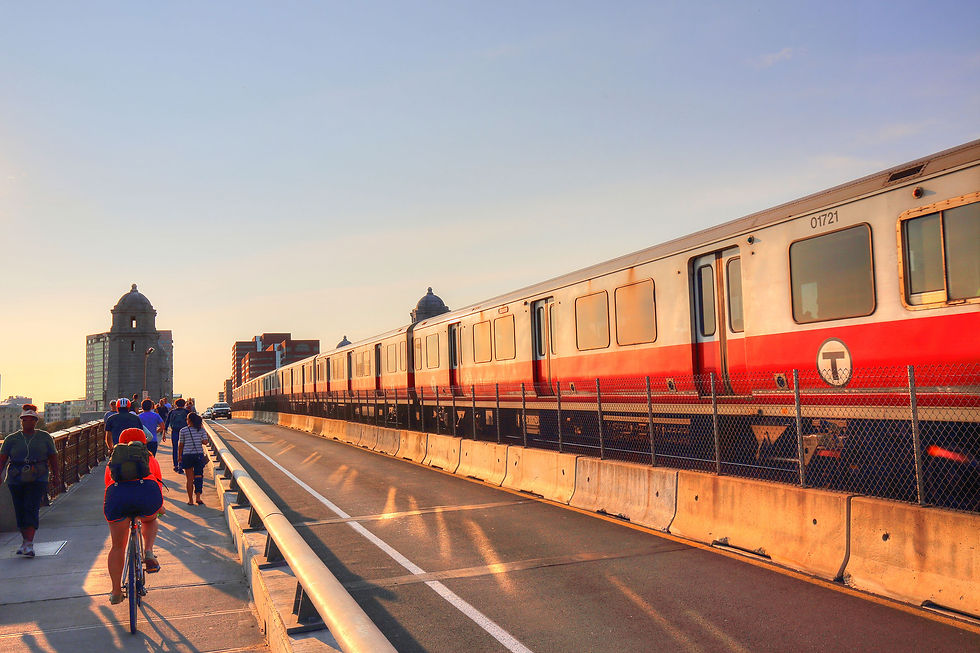
First off, let’s talk about the obvious: both trains and bikes are cleaner modes of transportation compared to driving. Plus, you have more of an opportunity to enjoy more of the sights when you're on a bike or a train. Trains can cover long distances quickly and efficiently, while bikes give you the freedom to explore the area once you arrive, without the worry of looking for parking or finding a gas station. Plus, if you visit a old cities or towns that were built hundreds of years ago, you'll notice how much space a car takes up versus walking or biking.
I've done this while traveling to various cities in The Netherlands, around Copenhagen and even here in the U.S. Now, not all trains allow full sized bikes, but maybe that'll be something I write about for another blog. Hint: invest in a folding bike.
But the trains that do allow bikes will have dedicated bike cars or designated areas where you won't feel like your bike is intruding on other people's space. And in the U.S., I've generally found it's more enjoyable to sit with others who also bring their bikes on the train. I'm not sure why. Maybe there's this unspoken camaraderie among bike people, who like to see others with their bikes on a train.

Practical Tips for Combining Cycling and Train Travel
Okay, but how do you actually pull it off? Here are some practical tips I’ve picked up along the way:
Check the Train’s Bike Policy
Not all trains are created equal when it comes to bikes. And as I mentioned earlier, not all trains allow bikes. Japan is one of those countries that come to mind. And, some require reservations for your bike, others charge a small fee, and a few might have restrictions during peak hours. Always check the train company’s website before you book.
Pack Smart
Don't forget things like water, bike pump, spare inner tube, a bike lock and bike tools. Bring a few options for clothing as it could get hot, then cold and even windy or rainy. Ideally, you'll have a bike rack where you can hook your waterproof pannier to so your clothes, electronics, etc stay dry. If you are bringing your folding bike, maybe place it in a bike bag on crowded trains. Not many people want to get chain grease on their legs.
Plan Your Route
Use apps and maps that show good cycling routes. I use muliple apps and don't really have one that I am sold on. I do like maps that I can access offline. Although Google Maps is probably the most prevalent, I personally am trying to ween myself off of big tech as much as possible. I've used Maps.me, Ridewithgps, Komoot and Here We Go. This way, you can compare the different routes each app shows and plan your ride ahead of time from the station to your destination, hopefully with minimal complications.
Arrive Early
Boarding a train is much easier than boarding a plane. You don't need to get there 1-2 hours ahead, but I'd say check the real-time train schedule a couple of hours before the train departs and then show up at least 20-30 min before.
Exploring New Places with Your Bike and Train
One of the best parts of this combo is the sheer variety of places you can explore. Whether it’s a bustling city, a quaint village, or sprawling nature, your bike can take you there.
For example, I took a weekend trip in California with Amtrak from Los Angeles to Carpenteria. It was a train/bikepacking trip. You can read about it here. The train ride was scenic and relaxing, and once I arrived, I hopped on my bike and rode up to Santa Barbara for lunch. Then rode back to Carpenteria to set up my campsite. No car needed, and much cheaper when you compare the cost of driving and campsite ticket for bringing your car.
I feel the U.S. is starting to embrace this trend. I've taken a day trip by Amtrak from Portland to Eugene. Although it did take three tries to finally make it work, but when it did, I'm was so glad I finally did it. My first experience was a bust, which I wrote about here. I'll need to write about my Eugene experience soon.

Overcoming Common Challenges
Of course, it’s not always smooth sailing, as I just mentioned above with my Portland to Eugene trip. Sometimes, you’ll face challenges like limited bike spaces on trains, unpredictable weather, or just no bikes allowed. But don’t let that discourage you. Here’s how I handle these bumps in the road:
Limited Bike Spaces: Book early and have a backup plan. Sometimes, you might need to take a later train or change your schedule. So be flexible.
Weather Woes: Pack rain gear and be flexible with your plans. A little rain can add character to your ride, but safety first. This happened to me when I took a day trip to Victoria, BC. I knew it wasn't going to be sunny, but I also didn't know if it was going to rain and how hard it might rain. I didn't write about this in my blog at the time, but it did rain and for a brief moment, the rain really started coming down.
No Bikes Allowed: Some trains just don't allow bikes. Depending on where you are going, I would consider renting a bike. When I did my Shimanami Kaido ride in Japan, I rented a bike because bikes are not allowed on the Shinkansen. I went through Wakka for my bike rental, luggage carry and hostel stay. It's probably more expensive to go through Wakka, but I would do it again since they handle everything.
Remember, the goal is to enjoy the journey, not just the destination. A little patience and preparation go a long way.
Why This Way of Traveling Feels So Rewarding
There’s something deeply satisfying about combining cycling and train travel. It’s slow enough to savor the moment but fast enough to cover ground. It’s more sustainable, adventurous, and surprisingly social. You meet fellow travelers on the train, especially if you're in the bike car (we all like to check out other people's bikes!), chat with locals both on and off the train, and get a real feel for the places you visit.
If you want to dive deeper into planning your next bike and train adventure, check out Eat Bike Explore for more tips and stories.


Comments